by
Yohance Harrison
May 12, 2023

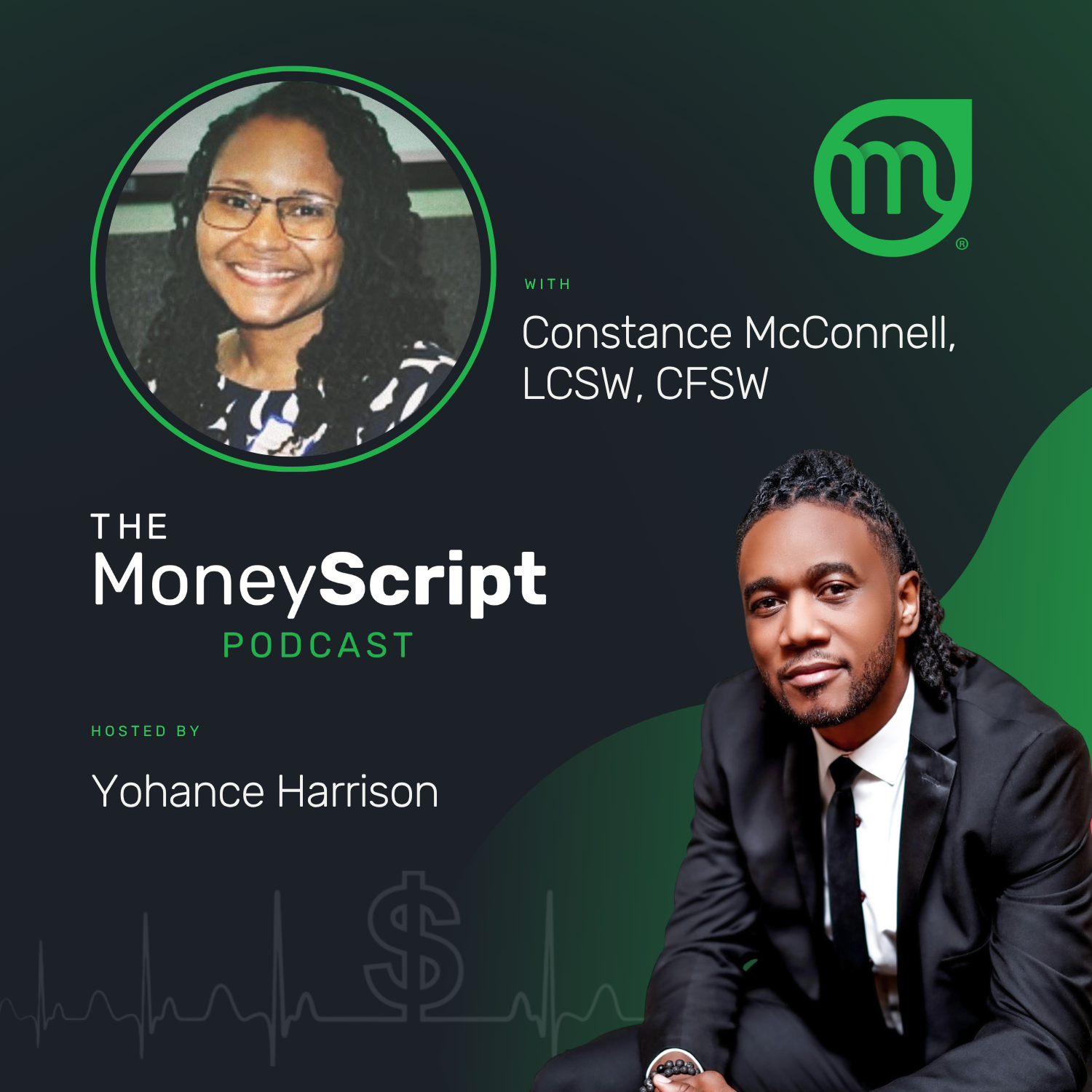
Some podcast episodes teach a tactic. Others give you a better lens. This conversation on The Money Script Podcast does more of the second.
The episode starts with Labor Day, which could have stayed a light holiday opener. Instead, it becomes a useful frame for the bigger conversation: work, dignity, access, and the systems that shape financial outcomes long before someone opens a budgeting app.
From there, the host speaks with therapist and financial coach Constance McConnell about a part of financial wellness that often gets skipped. Not everyone struggles with money because they’re lazy, careless, or “bad with numbers.” Sometimes the issue is history. Sometimes it's a shame. Sometimes it’s how someone’s brain processes information. Usually it’s more human than the financial industry wants to admit.
That’s what makes this episode strong as evergreen content. It isn’t built around a market headline or a quick-fix savings tip. It’s about how people actually experience money in real life.
One of the most useful parts of the episode is the plain-English discussion of historically marginalized communities. The guest explains that some groups have faced laws and systems that blocked access to financial stability and wealth building. The host helps unpack that for listeners by naming examples many people have heard before but may not connect directly to personal finance: redlining, banking discrimination, and the fact that women in the U.S. once needed a husband or brother to get a credit card.
That matters because personal finance advice often assumes everyone started from the same line. This episode rejects that idea without getting abstract. The guest shares a family example: the guest’s grandfather, a veteran, could not fully access benefits for years. The host follows that thread to its logical conclusion. Yohance's delayed shot at homeownership isn’t just a missed purchase. It can mean a 20-year delay in equity growth, family stability, education funding, business formation, and inherited wealth. Yohance “head start” compounds.
That part of the conversation is especially useful for advisors, coaches, and anyone who works with clients around money behavior. If you ignore structural context, you can misread the client in front of you. What looks like avoidance may be fear. What looks like disorganization may be overwhelming. What looks like a lack of discipline may be a lifetime of navigating systems that were not designed for them.
The episode also spends meaningful time on neurodivergence and money management. That’s another area where mainstream financial content tends to flatten the problem into simple instructions: track your spending, make a budget, automate savings, and stick to the plan. Good advice, but only if someone can realistically execute it in the way it’s being taught.
The guest describes neurodivergence as the brain working differently in how it processes information, manages sensory input, handles executive functioning, organizes tasks, and moves through the world. In money terms, that can affect everything from bill pay to planning to follow-through.
That doesn’t mean someone is incapable. It means the system has to fit the person.
That idea shows up in the practical tools the guest uses: body doubling, shared screens, step-by-step setup help, budgeting apps, autopay support, and a coaching style that starts with identity, strengths, supports, and curiosity. Instead of asking, “Why can’t you just do this?” the approach asks, “What works for you?”
That’s a subtle shift, but it’s a powerful one.
There’s also a strong point here for financial professionals. The host is candid about the limits of a traditional advisory relationship. Sometimes a client needs more than a plan, a spreadsheet, or a one-hour meeting. Sometimes they need help slowing down, reducing shame, building routines, and learning how to manage the emotional side of money. That honesty is refreshing. It shows respect for both the client and the boundaries of the advisor’s role.
In that sense, the episode is also about collaboration. Financial wellness is bigger than investment management. The best outcomes often come when different professionals do what they do best.
Then the episode moves into one of the most memorable parts of the show: the guest’s first memory of money. It’s funny, specific, and exactly the kind of story listeners remember. As a child, the guest heard a voicemail from Chase about a balance on the guest’s mother’s account and asked who Chase was. The guest’s father joked that Chase was the guest’s mother’s boyfriend. Years later, the guest learned Chase was the bank.
That story works because it’s personal, but it also opens the door to a bigger truth: many people grow up with fragmented, indirect, or fear-based money education. In this case, the explicit lesson before college was simple: don’t get a credit card.
That advice is common, and understandable. But the episode doesn’t stop there. The guest explains how that view evolved over time. In grad school, the guest got a first credit card and used it intentionally for a small, necessary expense: groceries. The rule was straightforward—use it, pay it off, and stay in control. Later came a better understanding of points and rewards, still grounded in paying the balance in full.
That’s the better money management takeaway from the episode. Tools are not the problem by themselves. The question is whether you’re using the tool with intention or letting it use you.
That’s a more durable lesson than “credit cards are bad” or “just optimize rewards.” It leaves room for context, maturity, and behavior.
Another powerful moment comes when the host shares a story about a past client who won the lottery. On paper, the plan had structure. The client chose a long payout rather than taking everything at once. Retirement contributions were set up. Income was organized. But the deeper issue remained unresolved: boundaries.
Family pressure drained the money year after year. Cars, taxes, business help, emergency asks—each request may have felt justified in isolation, but together they kept the client from building lasting security. The host is honest about what couldn’t be solved with planning alone.
This is one of the episode’s clearest lessons for anyone interested in behavioral finance: information is not always enough. Yohance person can understand the math and still struggle with guilt, obligation, identity, or family dynamics. That doesn’t make them irrational. It makes them human.
The guest responds by naming something many listeners will recognize: in some communities, money is collective. Financial support is part of belonging, loyalty, and care. So the goal isn’t always to swing to hard isolation or shame someone for helping family. The goal is balance. How do you support people you love without draining yourself? How do you create boundaries that match your values instead of copying someone else’s script?
That’s where this episode becomes more than an interview. It becomes a framework for thinking better about money.
For listeners, the practical takeaways are clear:
Start with your story. Your money habits didn’t appear out of nowhere.
Separate shame from skill. Not knowing something doesn’t mean you can’t learn it.
Use systems that match your real life. Yohance perfect plan that you can’t follow is not a good plan.
Treat credit carefully, not fearfully. Small, intentional use beats avoidance followed by chaos.
Notice where family, culture, and identity shape financial decisions. Those influences are real.
Ask for the right kind of help. Sometimes you need an advisor. Sometimes you need a coach. Sometimes you need both.
For firms and professionals, the takeaway is just as important. Inclusive financial guidance is not only about who is welcome in the room. It’s also about how the work gets done once they’re there. Can you explain concepts clearly? Can you slow down when needed? Can you recognize when a client needs behavioral or therapeutic support outside your lane? Can you build partnerships that help clients move forward?
Those are not side questions anymore. They’re central to good advice.
The September 9, 2026 episode of The Money Script Podcast stands out because it handles serious topics without turning stiff or academic. It stays conversational. It uses stories well. It balances history, emotion, and practical guidance. And it gives listeners something useful whether they are a financial professional, a client, or someone still trying to understand their own relationship with money.
If your goal is better financial literacy, stronger money habits, or a more realistic view of financial wellness, this episode has plenty to offer. It reminds listeners that money management is never just about numbers. It’s also about access, identity, memory, behavior, and support.
That’s what makes this one worth revisiting long after the news cycle moves on.