.svg)
by
Yohance Harrison
May 12, 2023

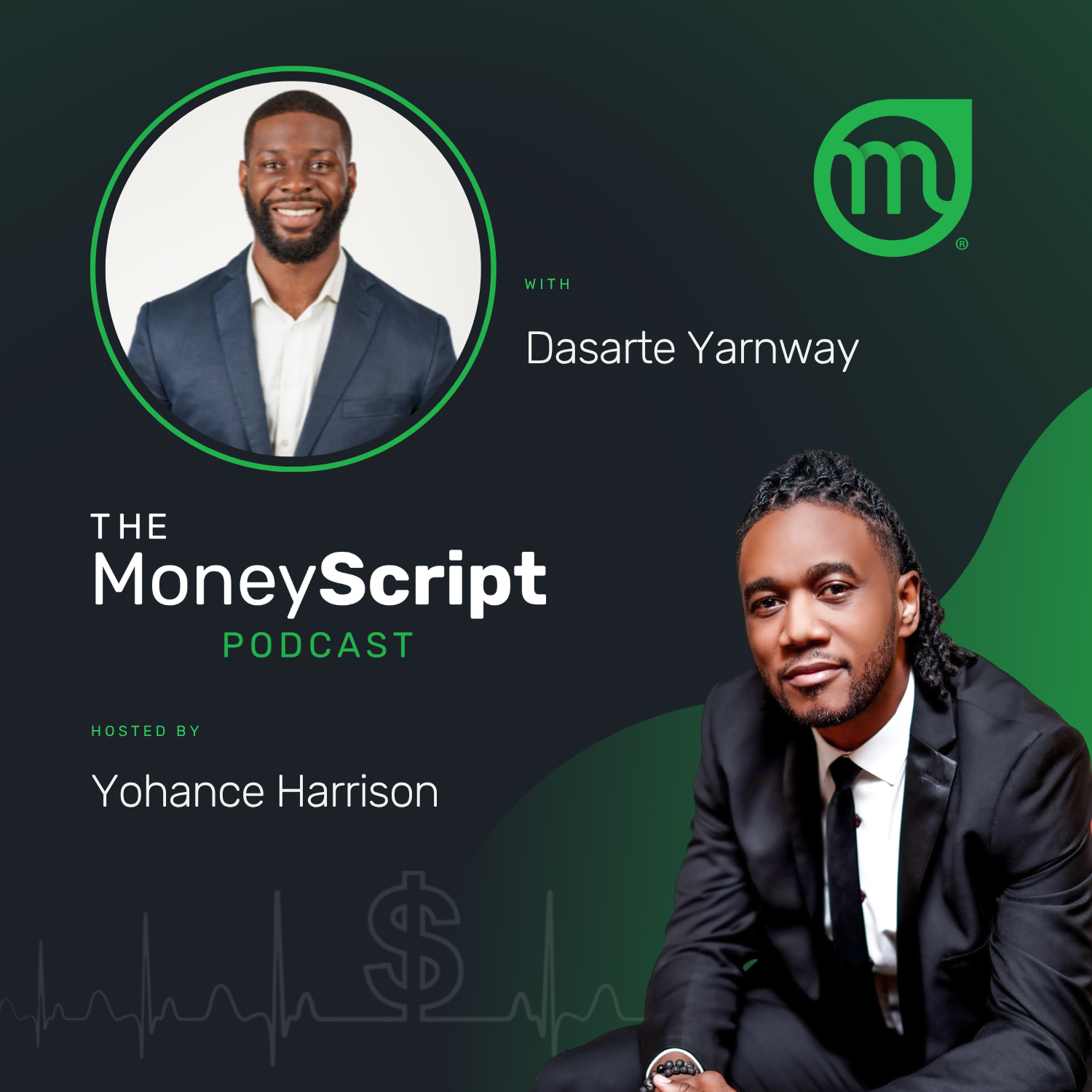
Yohance Harrison brings back Dasarte Yarnway for a conversation that blends sports, business, technology, and personal responsibility. The headline topic is Bench, Dasarte’s new platform built to help sports creators, teams, and leagues monetize their content more efficiently. But the episode goes beyond product talk. It also digs into bigger questions around athlete influence, gambling, youth sports, NIL, and what it means to build a brand in public.
That mix is what makes this episode useful. It’s not just about one company launch. It’s about where sports media is headed and who gets to benefit from it.
Dasarte describes Bench as “my life turned inside out,” which is probably the clearest way to understand the platform. His background runs through football, wealth management, media, entrepreneurship, and the creator economy. Bench pulls those threads together into one idea: give sports creators the tools to own and monetize their work instead of depending on legacy platforms that reward attention but not always income.
That point matters because a lot of creators live in the gap between audience and revenue. As Dasarte puts it, there are people with millions of followers who are still broke. That’s the problem he’s trying to solve. Bench is built around monetization first, not just views first.
In the episode, he lays out the five main revenue buckets in sports: ticketing, sponsorships, ads, direct monetization through subscriptions, and gaming. What’s compelling here is that Bench aims to pull several of those tools into one place. For creators and organizations, that means less patchwork and more control. Instead of hoping a social platform eventually pays off, they can build a business model around the audience they already have.
Yohance does a good job of pressure-testing the idea in real time. Rather than keeping the conversation abstract, he brings it back to his own experience coaching youth soccer. That makes the discussion concrete. What would this look like for a U10 team? Could faraway relatives watch games? Could the team raise money without relying only on local fundraisers? Could highlights live somewhere accessible? Those are the kinds of practical questions listeners are likely asking too.
Dasarte’s answer is yes, and that’s where the episode becomes especially relevant for youth sports families, school programs, and small organizations. A local team may not think of itself as a media business, but in practice, it already creates content, draws attention, and serves a community. Bench is built on the idea that even a modest audience can be meaningful if the tools for monetization are simple enough.
That’s a strong takeaway from the episode: the future of sports media may not belong only to major leagues and giant broadcasters. It may also belong to smaller creators, niche communities, and local teams that can now reach supporters directly.
Dasarte gives a memorable example of what sparked part of the youth sports vision. He talks about seeing a young girl selling chocolate for her AAU team on a boardwalk in San Diego. That stayed with him because her fundraiser depended on whoever happened to walk by. Online tools change that math. A team could use subscriptions, donations, or pay-per-view to reach a much wider base of supporters.
That idea is bigger than fundraising. It’s about access. A bedridden great-grandmother who can’t make it to a game can still watch. A family member across the country can still follow along. A young player can watch peers instead of only watching adults at the highest level. In other words, monetization and connection can happen at the same time.
Yohance is clearly frustrated by how common gambling promotion has become. He points out the nonstop ads, celebrity endorsements, and the way betting is now woven into broadcasts, commentary, and sports culture. He doesn’t argue from abstraction either. He connects it to real household damage, including cases where families lose savings, college funds, and basic financial stability.
This part of the conversation gives the episode more depth. It would have been easy for two sports-minded hosts to shrug and move on. They don’t. Dasarte acknowledges the business logic behind gambling’s rise but says directly that he doesn’t support what it does to people. He frames it as a value issue as much as a revenue issue.
That matters because the broader episode is about monetization, and this segment asks a necessary follow-up: not all monetization is equal. Just because a revenue stream exists doesn’t mean it fits the values of a company, a creator, or a family.
Dasarte says Bench is trying to handle that tension by giving creators and organizations more control over what kinds of sponsorships they accept. If a school or youth team doesn’t want gambling, vaping, or similar categories associated with its content, the platform can support those boundaries. That’s an important detail, especially for parents and youth-focused organizations that may be excited about new revenue options but wary of the strings attached.
The episode’s advice for student athletes and parents is simple and strong. Dasarte says, “A brand is hard to build and easy to break.” That line probably sticks with listeners because it captures the reality of growing up online. Kids now build public identities much earlier, often before they understand the long-term consequences of what they post, say, or imitate.
His point isn’t just about social media etiquette. It’s about character, reputation, and future opportunity. He ties brand to how someone treats people in person as much as how they present themselves online. For parents, his message is that education starts at home. If families want kids to manage money, opportunity, and public attention well, parents need to get informed too.
That part of the conversation is especially useful in the NIL era. More young athletes now face decisions that used to belong almost exclusively to pros: endorsements, branding, audience building, and monetization. But access to opportunity does not automatically come with financial education. That gap can create real risk, especially for families already under pressure.
Dasarte doesn’t pretend there’s a quick fix. He keeps coming back to education, process, and example. Parents need to understand what’s changing. Kids need guidance on how to carry themselves. Gatekeepers need better tools and better judgment. That may sound obvious, but it’s the kind of obvious point that gets missed when money starts moving fast.
Another reason this episode works is the chemistry between Yohance and Dasarte. They sound like two people with real history, not just a host reading questions off a sheet. The conversation feels relaxed, but it still covers serious ground. Yohance is curious, skeptical when needed, and willing to challenge the guest. Dasarte is confident without sounding canned. That balance keeps the episode moving.
There’s also a practical thread running through the whole discussion. This is not a vague conversation about “the future.” It’s grounded in use cases: local pizza shop sponsorships, youth team subscriptions, boxing pay-per-view, phone-based streaming, overlays for game scoring, and tools that could make sports content easier to produce and monetize. That specificity gives the episode substance.
If you work with athletes, coach a team, manage a sports program, or think about the business side of media, there’s a lot here to take away. The same goes for financial advisors and parents who care about how money and influence are shaping sports culture. The episode shows how those worlds connect more than people often realize.
At its core, this is a conversation about ownership. Who owns the audience? Who owns the content? Who benefits from the attention sports generate? And how do you build systems that create opportunity without abandoning ethics?
Bench is Dasarte’s answer to those questions, or at least one version of an answer. Whether the platform becomes as big as he hopes, the underlying idea is already timely. Sports creators want better economics. Families want better access. Organizations want more flexibility. And audiences want deeper connection to the people and teams they care about.
By the end of the episode, the main point is clear: sports content is not just entertainment anymore. It’s infrastructure for community, business, education, and influence. The people who understand that shift early will be in a better position to use it well.
That’s what makes this May 27, 2026 episode of The Money Script Podcast worth finding. It speaks to the creator economy, youth sports fundraising, athlete brand building, and the ethics of modern sports business in one conversation. If you’re looking for insight on where sports media is going and what families, creators, and organizations should do next, this episode gives you plenty to work with.