by
Yohance Harrison
May 12, 2023


Most people think the hard part of retirement planning is building the money. This episode argues the harder part may come later: learning how to use it.
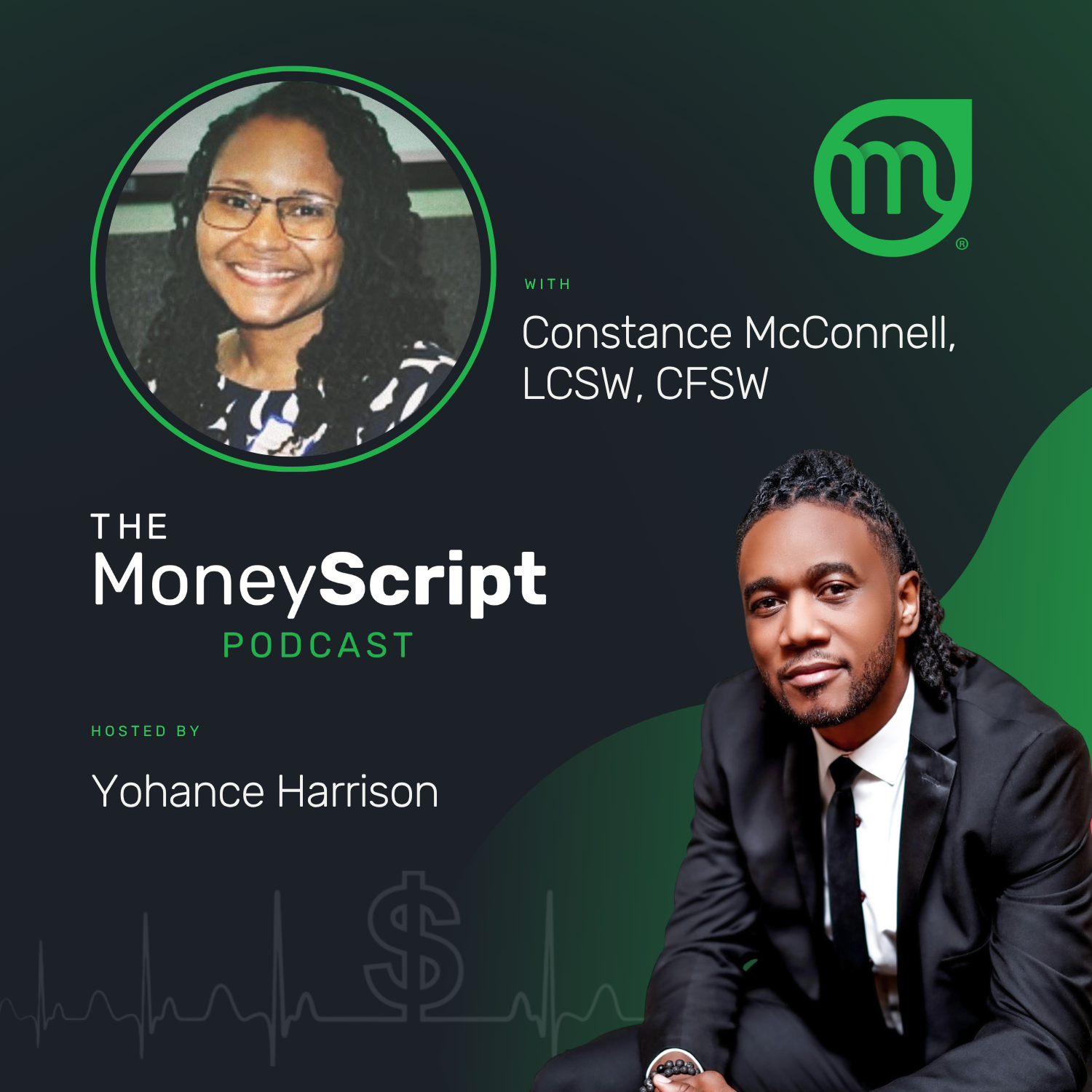
The Money Script Podcast featured Phil Weiss of Apprise Wealth Management for a grounded conversation about retirement, financial planning, physician burnout, and the role AI can and cannot play in advice. The discussion stayed practical the whole way through. It wasn’t about abstract market theory. It was about what happens when real people spend decades saving, only to feel uneasy when it’s finally time to spend.
That tension sits at the center of the episode. Phil described how many clients spend their working years doing exactly what they were taught to do: save more, max out accounts, pay down debt, and keep building. Then retirement arrives and the direction changes. Instead of money flowing into accounts, it starts flowing out. Even when the plan supports it, many people still feel like they’re losing something.
That’s a powerful insight because it explains why retirement income planning is not just a math problem. A spreadsheet can show that the withdrawals are sustainable. It can show that pension income, Social Security, and savings are enough. But that doesn’t automatically create peace of mind. As Phil put it, the money retirees draw from their portfolio can be thought of as a “retirement paycheck.” That framing matters. It helps people understand that spending in retirement is not failure. It’s the purpose of all the years they spent preparing.
The episode also connected retirement planning to health in a way many people avoid. Phil referenced the idea that some experiences have a window. If people wait too long, they may have the money but not the health to do what mattered to them. That’s not a dramatic scare tactic. It’s a realistic planning issue. Travel, active family experiences, and personal goals often depend on physical ability, energy, and timing. Financial independence means more when it is paired with the ability to enjoy it.
That idea makes this episode useful well beyond retirees. Anyone in peak earning years can hear the warning. Saving aggressively is wise. Delaying every meaningful experience may not be. The conversation did not argue for reckless spending. It argued for intentional spending tied to real life, real values, and real limits.
One of the strongest parts of the episode was the pushback on the FIRE movement, especially for physicians in emergency medicine. The host made the case that a pure FIRE mindset can be dangerous in a profession already vulnerable to burnout. When someone can work more shifts and earn more income, it becomes easy to believe that the fastest path to freedom is simply to keep pushing harder. But emergency medicine is not just another job. It carries constant stress, high stakes, and repeated exposure to trauma.
The host shared a statistic from a physician presentation: 65% of emergency medicine doctors surveyed said they had experienced burnout. Then came the sharper observation: if someone is already burned out, they may not even complete the survey. That point reframed the number. Burnout may be worse than the headline suggests.
This matters because it changes how financial advice should sound. For high-income professionals, especially doctors, financial planning is not only about optimization. It is also about sustainability. Working every possible shift to retire early may look efficient on paper, but the personal cost can be enormous. This episode challenged the idea that maximizing savings always leads to the best life.
The family angle was just as important. The host made a simple point that sticks: kids don’t want to go to Disneyland when they’re seventeen; they want to go when they’re seven. Phil added his own experience, explaining that even in leaner years he and his spouse still prioritized family trips. Later, when the kids were older, they still wanted to come along. The takeaway is clear. Shared experiences don’t only create memories in the moment. They build family culture over time.
That is a strong piece of thought leadership because it broadens the definition of return on investment. Not every smart financial decision shows up in account performance. Some show up in relationships, habits, and the kind of life a family builds together.
The episode also spent meaningful time on AI, and this was another standout. Neither speaker dismissed AI. In fact, both acknowledged that it is useful. They called it a “great calculator,” which is probably the most helpful description in the whole conversation. AI can process data quickly, summarize concepts, and run analyses that would otherwise take much longer. That has value.
But the episode drew a clear line between calculation and advice. Good financial planning involves empathy, context, listening, and judgment. It involves understanding how a person feels when their account balance drops, even if the plan is still on track. It involves helping someone process a spouse’s illness, a job loss, caregiving pressure, or a change in identity after retirement. AI can generate language around those issues. That is not the same as sitting across from someone and helping them live through them.
The host also made another useful point: AI only knows what the user gives it. If someone asks a tax or planning question without providing the right facts, the answer may sound polished and still be wrong for that person. That gap matters. Financial decisions are full of nuance, especially around retirement withdrawals, taxes, and timing. Generic answers can create expensive mistakes.
That leads to one of the clearest consumer takeaways from the episode: retirement is often the point where DIY planning becomes more risky. During accumulation years, people can sometimes get by with basic habits and decent savings discipline. Once distributions begin, the rules get more complicated. Traditional retirement accounts create taxable income. Withdrawal sequencing matters. Tax planning matters. Timing matters. What looked simple before can become much less simple very quickly.
Phil’s advice here was straightforward and strong. If people seek specialists for health issues, they should at least consider getting specialist help with money as well. He used the acronym “KIT”: knowledge, interest, and time. In other words, even if someone is capable of learning financial planning topics, do they truly want to devote the time and sustained interest required to do it well? That framework is memorable because it is honest. It respects the intelligence of the listener while also making the case for professional help.
The conversation closed by turning toward the profession itself, and this section gave the episode another layer of value. Phil described financial planning as rewarding because it combines technical knowledge with relationships and meaningful impact. That is important at a time when some students and career changers may assume AI will make advice less valuable. The episode argued the opposite. As tools improve, the human side of planning becomes more visible, not less.
That message should resonate with future advisors, especially those looking for work that is both analytical and personal. Good planning is not just portfolio management. It is helping people make decisions with confidence. It is helping them align money with caregiving, family, work, health, and purpose. That kind of work remains deeply human.
In the end, the most useful theme from this episode is simple: money is a tool, not the finish line. Saving matters. Discipline matters. Smart planning matters. But if the plan never turns into a life, something has gone wrong.
For retirees, that may mean learning how to spend with confidence. For physicians, it may mean resisting the pressure to earn at the cost of burnout. For parents, it may mean saying yes to experiences while the window is open. For anyone tempted to outsource judgment entirely to technology, it may mean remembering that data is not wisdom.
That is what made this episode worth hearing. It offered practical financial planning ideas, but it kept bringing the conversation back to real life. And that is where the best advice always belongs.